
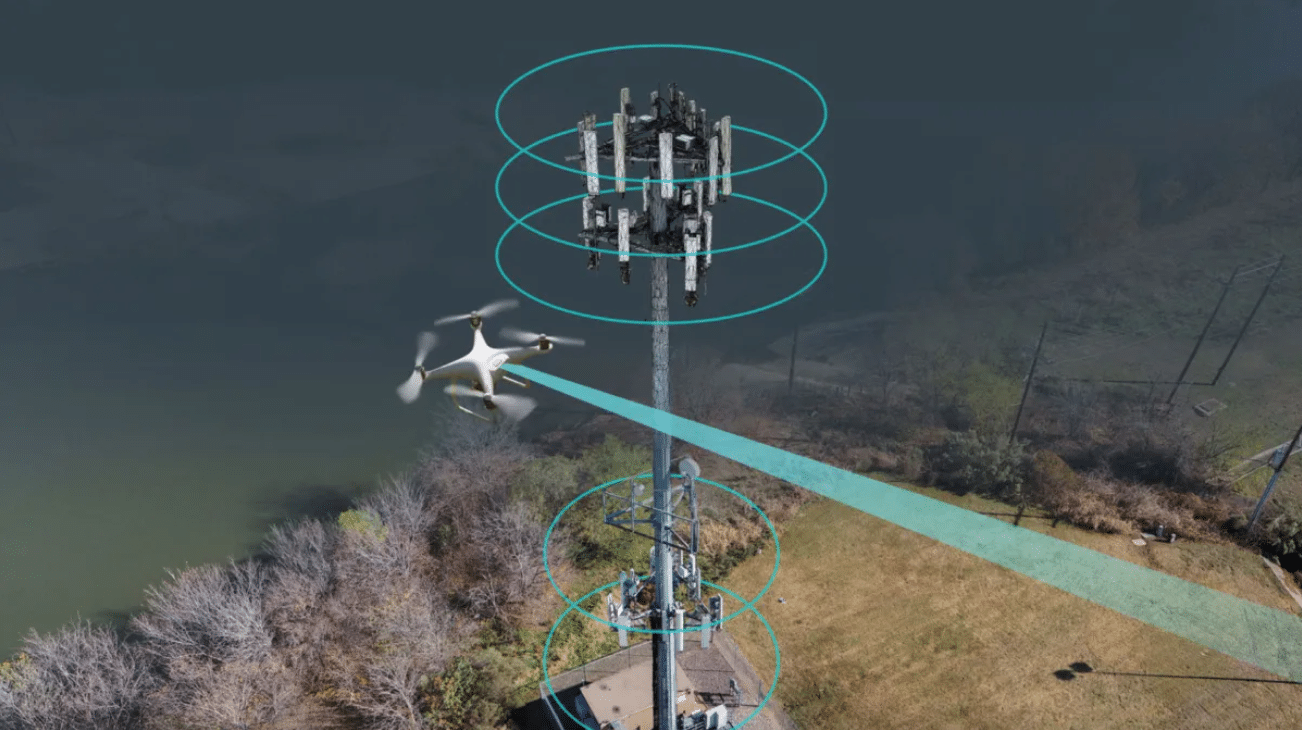
Telecom Site Surveys and Infrastructure Inspections
Climbing towers for routine inspections is slow, expensive, and puts people at risk. Drone cell tower inspection delivers the same data — often better — in a fraction of the time, without a single climber on the structure. For wireless carriers, towercos, and telecom engineering firms managing thousands of sites, eliminating rope access and bucket truck deployments translates to significant cost savings and zero fall-risk incidents.
Our pilots inspect cell towers, small cells, rooftop installations, and telecom infrastructure across the country. We capture the imagery and data your engineering teams need for maintenance planning, lease audits, and new site evaluation. Every inspection follows FAA Part 107 regulations and site-specific safety protocols, coordinating with ground crews and facility managers to ensure operational continuity.
What We Deliver
Full 360° tower inspections covering macro sites, small cells, and rooftop installations from ground level to the top-mounted antenna arrays. Our flight paths capture every structural element, mount point, and equipment configuration, creating a complete visual record of site conditions.
Antenna and equipment identification and mapping using high-resolution imagery and GPS tagging. We document antenna orientations, azimuths, downtilt settings, and equipment model numbers — data your RF engineering teams need for network optimization and upgrade planning.
Mount and structural condition assessments that identify rust, loose bolts, damaged welds, guy wire wear, and other structural concerns before they escalate. We flag issues by severity level, allowing you to prioritize maintenance budgets and schedule repairs during planned outages.
Line-of-sight analysis for new site planning, capturing elevation data and obstruction surveys that support propagation modeling and network densification projects. Our deliverables integrate directly into RF planning software.
Closeout photography and as-built documentation for new construction and modification projects, providing verification that installations match approved drawings and meet carrier specifications.
Obstruction surveys and FAA compliance checks, documenting lighting systems, paint condition, and other regulatory requirements to support renewal filings and lease compliance audits.
Why Drones Replace Traditional Tower Climbing
The telecom industry has relied on tower climbers for decades, but the human and financial costs are steep. Fall incidents remain a persistent safety concern, and climbing inspections require significant scheduling coordination, weather-dependent windows, and extended site access periods.
Drone cell tower inspection eliminates these constraints. A typical macro site inspection that would take a three-person crew half a day to climb and document can be completed by a single drone pilot in under an hour. That efficiency compounds across large tower portfolios — inspecting 100 sites per year becomes a weeks-long project instead of a months-long campaign.
The data quality often exceeds traditional methods. Drones capture consistent, high-resolution imagery from repeatable positions, making year-over-year degradation tracking more reliable. Close-up shots of individual components reveal details that climbers at arm’s length might miss.
Ideal For
Wireless carriers and towercos managing distributed infrastructure across multiple markets, requiring regular inspection cycles to maintain network uptime and meet insurance requirements.
Telecom engineering firms providing design, construction oversight, and commissioning services for new builds and major modifications.
Site acquisition and leasing teams conducting pre-lease evaluations, documenting existing conditions for lease negotiations, and verifying that site modifications comply with landlord agreements.
Construction and closeout verification, ensuring contractors completed work to specification before releasing final payments or triggering warranty periods.
Our Approach
We’ve cut inspection time by up to 70% compared to traditional tower climbs while improving data consistency and eliminating fall risk exposure. Our pilots carry full commercial liability insurance, maintain FAA Part 107 certifications, and have direct telecom site experience — they understand the difference between a remote radio head and a hybrid cable, and they know what your engineers need to see in the deliverables.
Flight planning accounts for site-specific conditions: proximity to airports requiring LAANC authorization, RF exposure zones near active antenna arrays, and coordination with on-site personnel during active construction. Deliverables are organized by inspection type and delivered in formats compatible with your existing asset management systems.
Every inspection includes a detailed flight log, georeferenced imagery, and annotated reports highlighting findings that require follow-up. If you need raw imagery for your own analysis, we provide that too. The goal is simple: give your team the data they need, in the format they need, without the safety risks and time commitments of traditional inspection methods.
Explore our other inspection services: utility inspections, solar panel inspections, wind turbine inspections, roof inspections, and agricultural drone services.
All pilots maintain current FAA Part 107 certification and coordinate airspace authorization through LAANC when required.